

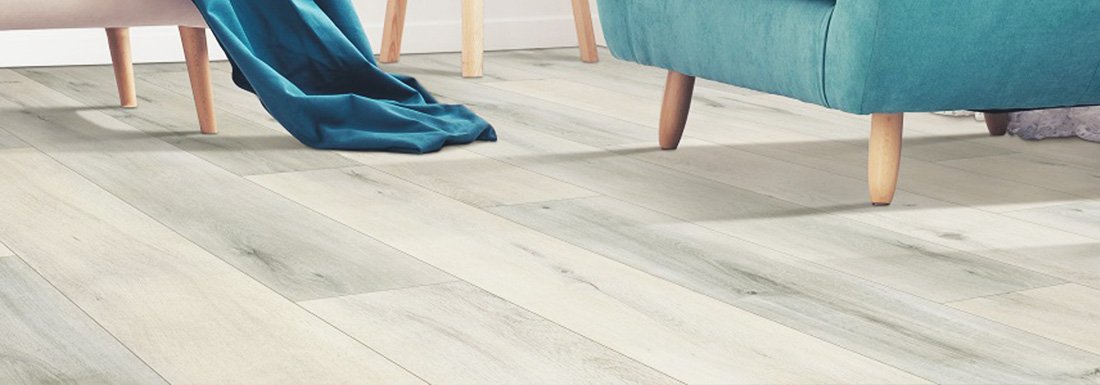
When homeowners begin searching for laminate flooring near me, basements are often one of the most challenging spaces to plan for. In Northern Virginia, basement environments can experience humidity changes, cooler temperatures, and occasional moisture concerns. At Rachel’s Floors, we help homeowners choose laminate flooring that balances durability, comfort, and long-term performance in below-grade spaces.
Why Basements Need Special Laminate Selection
Unlike upper levels of the home, basements sit closer to concrete foundations, which naturally retain moisture and temperature fluctuations. This means not all laminate products are suitable for long-term performance.
In laminate flooring in modern homes, basement installations require materials specifically designed to handle environmental changes without warping, swelling, or separating over time.
Best Types of Laminate for Basements
For laminate flooring for basements, the best choice is typically water-resistant or waterproof laminate flooring with a dense core construction. These products are designed to resist moisture penetration and maintain structural stability even when conditions fluctuate.
Key features to look for include:
Water-resistant or waterproof core
High-density fiberboard (HDF) or rigid core construction
Strong click-lock installation system
Attached underlayment for moisture buffering and sound reduction
These features help ensure long-term durability even in below-grade environments.
Thickness and Durability Considerations
While thickness alone doesn’t determine performance, most homeowners find that 10mm to 12mm laminate provides a good balance of comfort and stability in basement environments.
Thicker planks can also help reduce the “hard floor” feel often associated with concrete subfloors, making the space more comfortable for everyday use.
Importance of Proper Installation
Even the best flooring will fail if not installed correctly in a basement environment. Professional laminate flooring installation in my area ensures that moisture barriers, subfloor leveling, and expansion spacing are properly addressed.
This step is especially important in basements, where improper installation can quickly lead to warping or separation due to hidden moisture issues.
Where Laminate Works Best in Basements
Modern basement designs often include multiple functional spaces, and laminate performs well in many of them:
Living or entertainment areas
Home offices
Finished recreational rooms
Guest bedrooms or multipurpose spaces
It’s also commonly used in areas that connect with laminate flooring in living rooms above, creating a seamless transition between floors.
The Bottom Line
The best laminate flooring for basements is water-resistant, structurally stable, and professionally installed. When chosen correctly, it offers a stylish, durable, and cost-effective solution for below-grade living spaces.
Explore high-performance options for laminate flooring designed for real home conditions.
At Rachel’s Floors, we help homeowners select flooring that performs where it matters most. Ready to upgrade your basement? send us an inquiry today.
We proudly serve Alexandria, Gainesville, Leesburg, Manassas, and Warrenton, VA.


